
Gold Proof Sets UK: What They Are Worth and What to Look For
Owner, Exclusive Coins
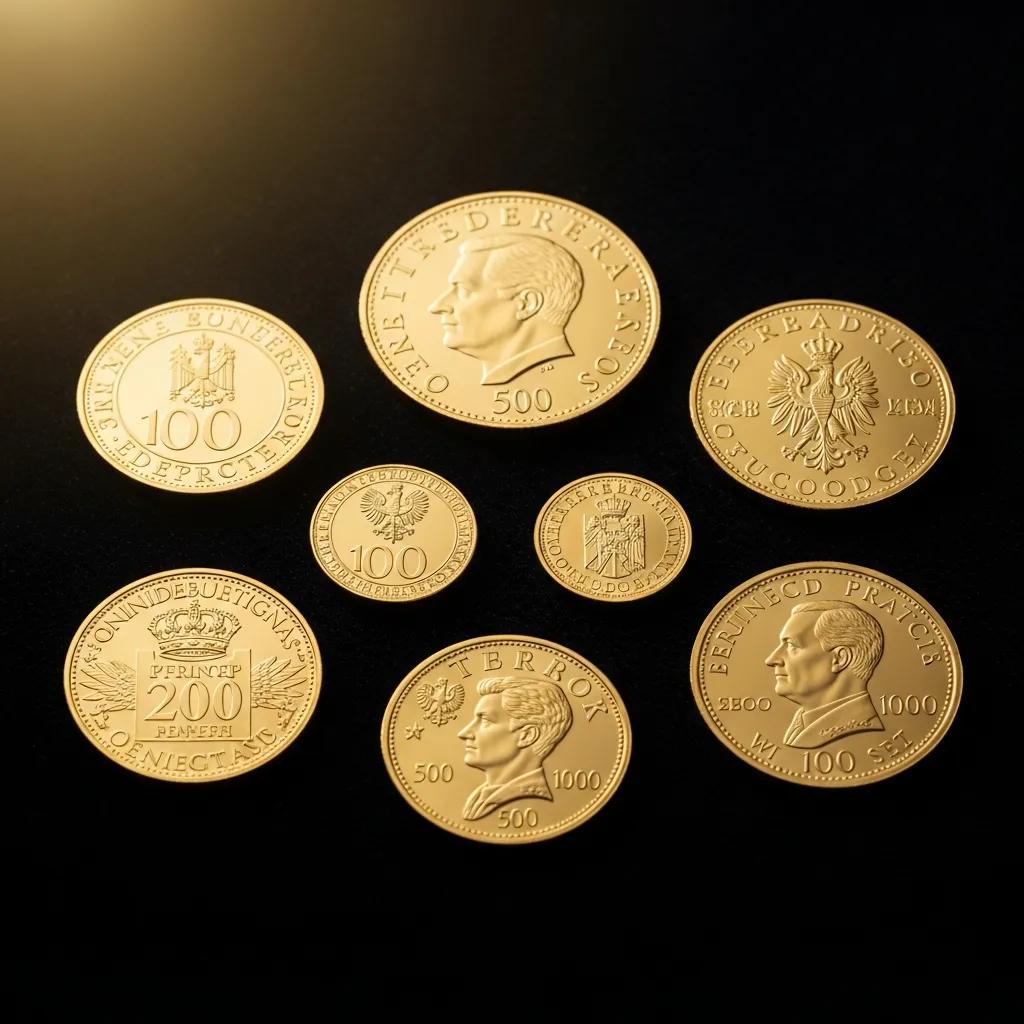
A gold proof set is one of the most attractive things a coin collector can own: several coins in matching finish, in a presentation case, with a numbered certificate. It is also one of the easiest places to get confused about value, because the answer is a mix of gold price, scarcity and presentation, and each of those moves independently.
This guide explains what a gold proof set is, how its value is built up, how to avoid overpaying and what to do if you want to sell one. It is general information, not financial advice.
What is a gold proof set?
A gold proof set is a group of coins struck in gold to proof standard, which means polished dies, polished blanks and more than one strike for a sharp design and a mirror finish. Royal Mint sets commonly come as a themed collection, such as a matching set of sovereign denominations, or as a limited-edition set marking an anniversary or event. They are sold in a case with a certificate of authenticity, and many are limited to a stated number of sets.
If you are new to the term, read what is a proof coin first.
How the value is built up
1. The gold content
Every gold proof set has a floor value set by the amount of gold in it. Add up the pure gold in each coin and multiply by the current gold price. For sovereigns, a full sovereign holds about 7.32g of pure gold and a half sovereign about 3.66g. The certificate normally states the gold content. This is the part that moves with the market every day.
2. The collector premium
On top of the gold, a set may carry a premium for the finish, the limited number made and the quality of its presentation. How much depends on demand today, not on the original price, and it can be large, small or nothing. A very limited set that collectors want can sell well above its gold content. A set from a larger run, or from a design with little following, usually sells closer to gold.
3. Completeness and condition
A complete set means all the coins, the original case, the outer packaging and the numbered certificate. Missing items reduce the price, and the certificate matters more than people expect. Coins with spots, fingerprints or scratches are worth less, and removing coins from their capsules is the quickest way to damage them.
Rarity: what to check
- The edition limit. It is printed on the certificate or the case. A lower number generally means scarcer.
- How many are for sale. If many identical sets are listed at once, expect little premium.
- Demand for the theme. Royal anniversaries and well-known designs are more sought after than minor commemoratives.
- Whether the number is real. A limit of thousands is limited in name only. Compare it with how many collectors are actually looking.
Buying a gold proof set: what to ask
- What is the total gold content, and what is the gold value today?
- What is the premium over gold, and why?
- Is the set complete, with case, packaging and certificate?
- Can I see photos of each coin?
- What is the returns policy?
A seller who cannot give the gold content or the premium in plain terms is a seller to be careful with. You can browse the proof sets we have for sale, and read our gold sovereign buyer's guide for the same questions applied to single coins.
Is authenticity a concern?
Genuine sets are most safely bought from a dealer with a real address, a returns policy and clear terms. For individual high-value coins, third-party grading by PCGS or NGC gives an independent opinion. See graded gold coins and how to check if a coin is genuine.
Looking after a set
- Keep the coins sealed in their capsules, in their case.
- Store the set dry, away from sunlight, and handle the case, not the coins.
- Keep the certificate and all packaging with the set.
- Never clean the coins. See should you clean old coins.
Selling a gold proof set
When you sell, a buyer will price the gold first and then decide what premium, if any, the set deserves. To get the best result:
- Keep everything together: case, outer box, certificate.
- Photograph the set, the certificate and the case.
- Ask the buyer to separate the gold value from the premium.
- Compare more than one offer for a valuable set.
We buy gold and silver proof sets. See sell proof sets and are Royal Mint proof sets worth anything.
Tax
Royal Mint gold proof coins are British legal tender, so gains on them are generally exempt from Capital Gains Tax. See gold coin selling tax and check current gov.uk rules. This is not tax advice.
Frequently asked questions
Is a gold proof set a good investment?
It can hold its gold value, but the premium is not guaranteed and can shrink. Gold can also fall in price. Treat it as a collectable with a gold floor, not a certain gain.
Should I keep the box?
Yes. The box and certificate can be the difference between a good and an average price.
What if I have lost the certificate?
The coins still have their gold value, but expect a lower price than for a complete set.
Get a free valuation
Send photos through our free valuation form and we reply within 24 hours, with no obligation. Or call free on 0800 978 8542.