
Graded Gold Coins: Are They Worth More?
Owner, Exclusive Coins
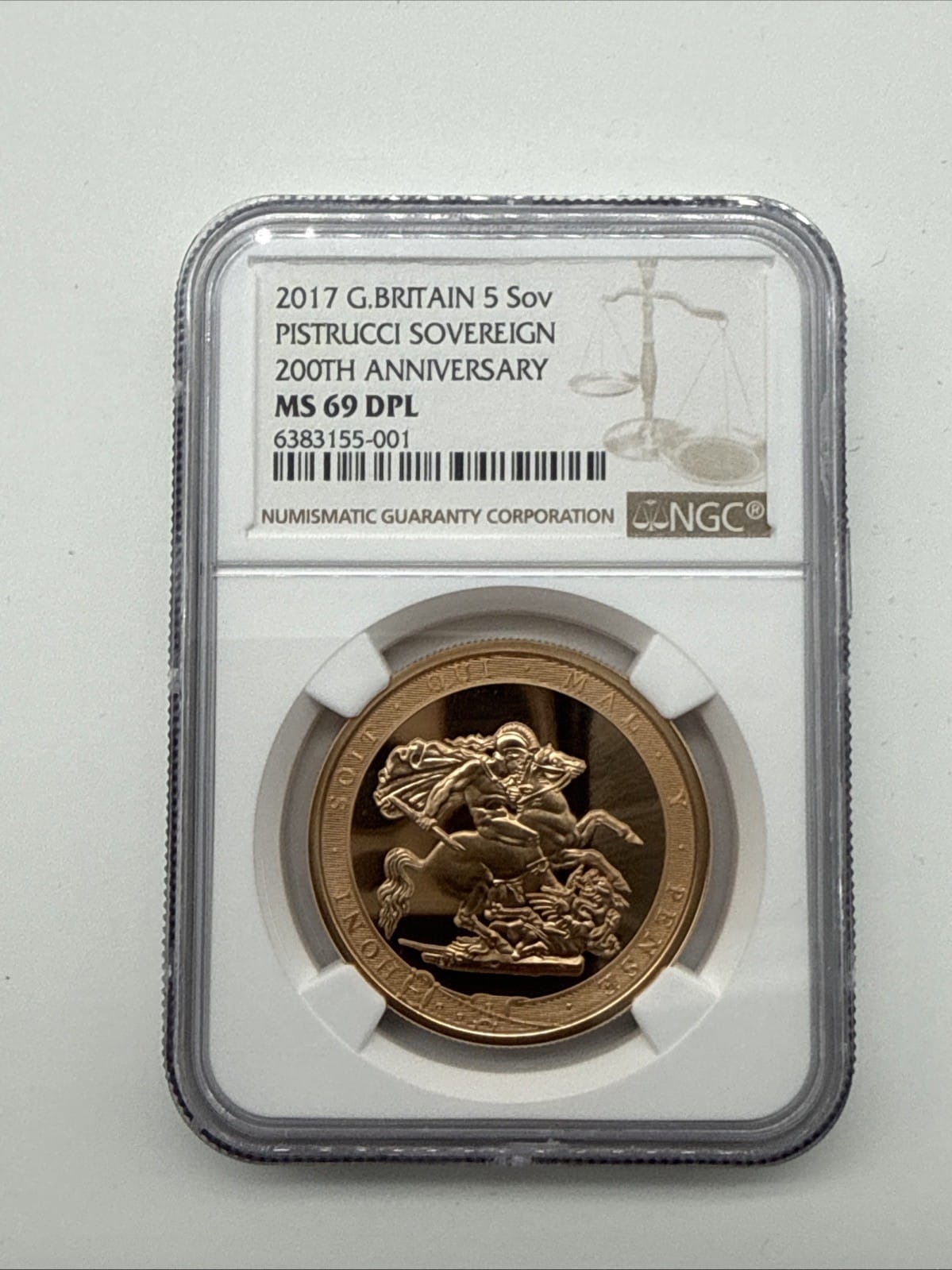
You pick up a gold coin sealed in a clear plastic holder, with a label showing a grade and a barcode. It looks impressive. But is it actually worth more than the same coin without the holder? Sometimes, a lot more. Sometimes, not at all. The difference is what this guide will help you work out.
What grading is
Two companies dominate: PCGS (Professional Coin Grading Service) and NGC (Numismatic Guaranty Company). They authenticate the coin, assign a grade on a 70-point scale, and seal it in a tamper-evident holder, often called a slab. The label shows the coin, the date, the grade and a certificate number that you can look up on the company's website.
Reading the grade
- MS stands for Mint State, for coins that were never circulated. MS60 is the lowest and MS70 is perfect.
- PR or PF stands for proof, for coins struck to a higher finish.
- AU, XF, VF and lower describe circulated coins with increasing wear.
Each point on the scale can change the price, particularly at the top end. The gap between MS65 and MS69, for example, can be very large for a scarce coin.
Why a graded coin can be worth more
- Confidence. The coin has been authenticated, which matters for expensive pieces and for buyers who cannot inspect it in person.
- A shared standard. Buyers agree on what the grade means, which makes pricing and resale easier.
- Protection. The slab guards against handling damage, scratches and fingerprints.
- Scarcity at the top. For some coins, very few reach the highest grades, and buyers pay accordingly.
When grading is not worth it
A common-date bullion coin is worth about its gold content whether or not it is graded, so the fee rarely pays back. Grading also costs money, takes time and requires sending the coin away. It makes the most sense for:
- Scarce dates where authentication matters.
- High-condition coins that might earn a top grade.
- Proofs where a high grade lifts the price a lot.
Never clean a coin before grading. Cleaning can damage it, lower the grade or cause the coin to be rejected. See should you clean old coins.
A word of caution
A grade is a professional opinion, and opinions can differ. Two coins with the same grade can still look different, and the market pays for coins that look good as well as for the number on the label. Be careful with holders that do not come from a recognised company, and check any certificate number on the grader's own website.
Buying graded coins
- Check the certificate number with PCGS or NGC.
- Look for damage to the holder, which could mean it has been tampered with.
- Compare the price with similar graded coins, not just with the gold price.
- Ask what the premium is over the gold content, and why.
Selling graded gold coins
Keep the coin in its holder and send us the certificate number and photos. We buy PCGS and NGC graded coins. See our sell graded coins page and our coin grades guide. For ungraded coins, a free valuation is a good first step. You may also like to read about proof coins and how to value a coin collection.
Frequently asked questions
Is a graded coin always worth more?
No. For common bullion coins the grade often adds little. For scarce or high-condition coins it can add a lot.
Should I take a coin out of its holder?
No. Doing so usually removes the grade and the premium.
Which is better, PCGS or NGC?
Both are respected. The market treats them similarly, so what matters most is the grade and the coin itself.