
Gold Sovereign Buyer's Guide UK: What to Check Before You Buy
Owner, Exclusive Coins
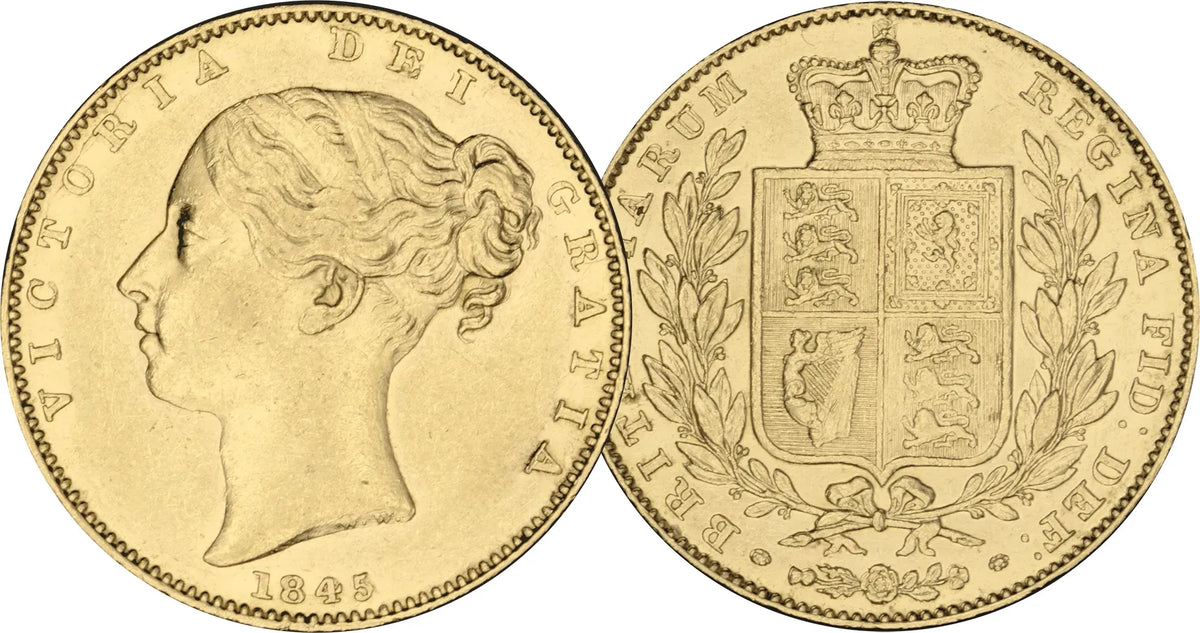
The gold sovereign has been a trusted way to own gold for generations. It is instantly recognisable, easy to resell and legal tender in the UK. It is also one of the most copied gold coins, and a place where buyers regularly overpay. This guide explains what you are really paying for, how to check a coin is genuine, and what to ask before you hand over any money.
What a sovereign is
A sovereign weighs 7.98g, is about 22mm across and is struck in 22ct (91.67%) gold, so it holds about 7.32g of pure gold. A half sovereign weighs 3.99g and holds about 3.66g. All sovereigns are British legal tender with a face value of £1, although the gold in them is worth far more.
What you are paying for
The price has two parts:
- The gold. About 0.2354 troy oz of pure gold per sovereign, priced from the live gold price.
- The premium. The dealer's margin over the gold price, which covers minting, handling, insurance and risk. It is higher for proofs, boxed sets and scarce dates.
Common bullion-date sovereigns sell close to their gold value. Older, scarcer dates and high-grade coins can cost considerably more. The size of the premium is the single most important number to ask about. A low premium on a common coin is good value. A high premium on a common coin is not.
Bullion or collectable?
If you want gold exposure, a common-date sovereign is the efficient choice. If you collect, look at the date, mint mark, condition and whether the coin has been graded. A collector coin can be a very good purchase, but you need to be sure the premium reflects something real. Read what a gold sovereign is worth to see what drives the price.
How to check a sovereign is genuine
- Weigh it. It should be 7.98g, on scales accurate to 0.01g.
- Measure it. The diameter should be about 22mm.
- Compare the details. Check the design, the edge reeding and the lettering with a known genuine example. Fakes often have soft detail or uneven edges.
- Beware of low prices. A genuine sovereign cannot sell for less than its gold content.
- Check the seller. Buy from a dealer with a real address, clear terms and a returns policy, and keep your invoice.
- For expensive pieces, consider a coin graded and sealed by PCGS or NGC. See graded gold coins.
Questions to ask the seller
- Is this a bullion or collectable date, and what is the premium over gold?
- What condition is the coin in, and has it been graded?
- What are the delivery and insurance arrangements?
- What is your returns policy? See ours on our returns page.
- Will you buy it back, and how do you calculate the price?
Common mistakes buyers make
- Paying a collector premium for a common coin.
- Buying from a seller with no address or returns policy.
- Choosing on the headline price without checking the premium.
- Forgetting storage and insurance.
- Not keeping the invoice, which matters when you come to sell.
Tax
Sovereigns are generally exempt from Capital Gains Tax when you sell, and investment gold is generally VAT-free to buy. This is general information, not tax advice. See our guides to selling tax and VAT on gold coins.
Sovereign or half sovereign?
The half is smaller and easier to sell in small amounts, but the premium per gram is often higher. Read gold sovereign vs half sovereign to compare.
Frequently asked questions
Is a sovereign a good investment?
That depends on your goals. Gold can rise and fall, and it pays no income. It is not financial advice. See our beginner's guide to investing in gold coins.
Can I sell it back later?
Sovereigns are among the easiest gold coins to sell. You will normally receive a price a little below the gold value plus any premium, because a buyer has to make a margin.
How should I store sovereigns?
Keep them dry and secure, in capsules or a coin box. Check your home insurance for valuables limits.
Browse our sovereigns
See our current gold sovereigns and gold half sovereigns. If you already own sovereigns and want to sell, request a free valuation.