

Gold Coin Selling Tax UK: Essential Capital Gains Tax Rules and Valuation Guidance
Selling gold coins in the UK can be a lucrative venture, but it comes with specific tax implications that every seller should understand. This article delves into the essential rules surrounding "Capital Gains Tax" (CGT) as it applies to gold coins, providing clarity on valuation guidance and the implications for sellers. Readers will learn about the nuances of CGT, including exemptions and the importance of accurate valuations, which are crucial for compliance and maximizing returns. As the market for collectible coins continues to grow, understanding these tax obligations becomes increasingly important for both collectors and investors. We will explore the CGT rules, valuation methods, and the services offered by Exclusive Coins Limited to assist sellers in navigating these complexities.
Capital Gains Tax (CGT) Rules
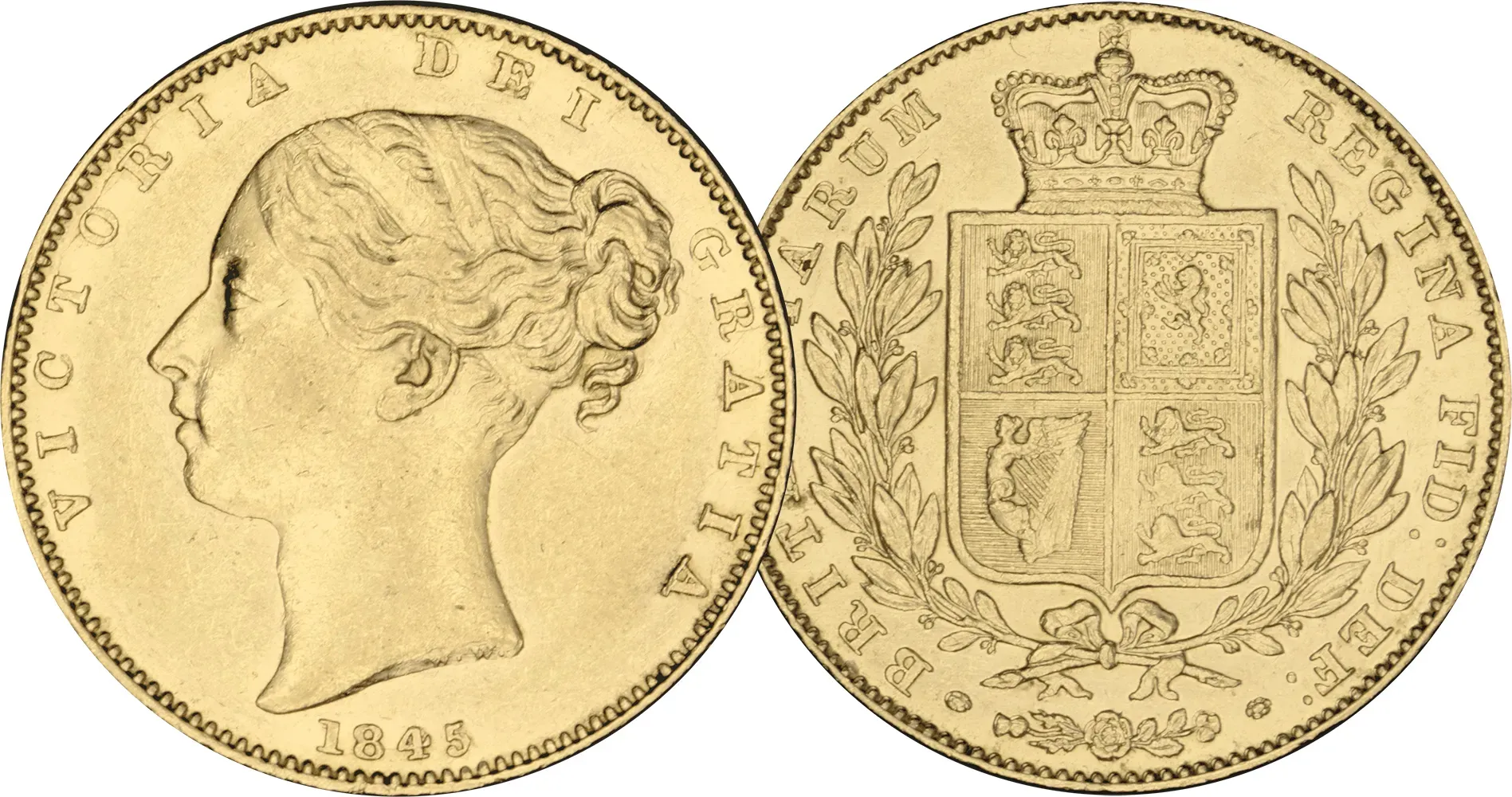
Capital Gains Tax (CGT) is a tax on the profit when you sell or dispose of an asset that has increased in value. In the UK, gold coins are subject to CGT unless they qualify for specific exemptions. Legal-tender coins, such as Sovereigns and Britannias, are exempt from CGT, making them a popular choice among investors. Additionally, each individual has an annual CGT allowance, which allows for a certain amount of profit to be made tax-free each tax year. Understanding these rules is essential for anyone looking to sell gold coins, as it can significantly impact the net profit from the sale.
Valuation Guidance
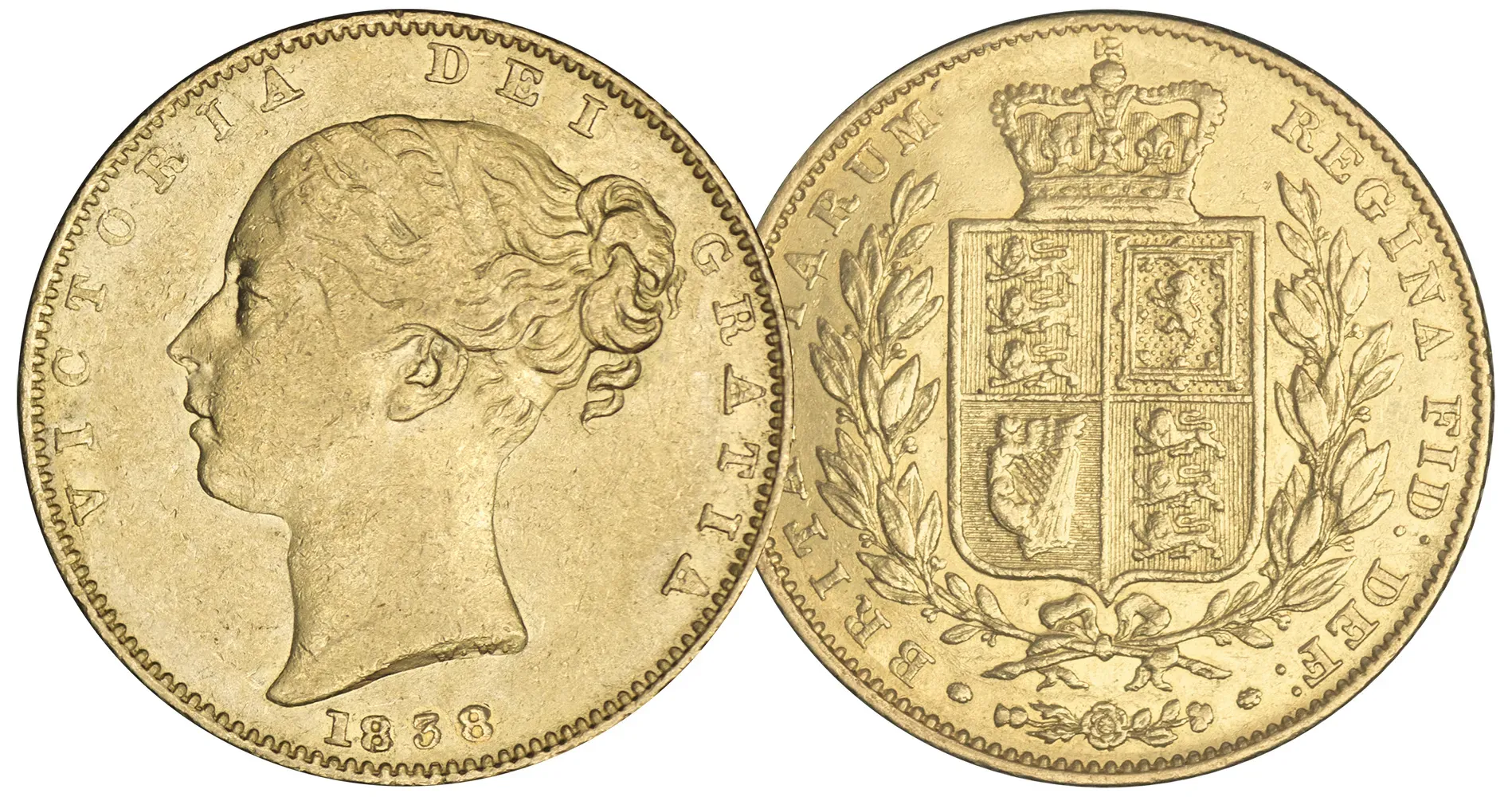
Valuing gold coins accurately is crucial for determining potential CGT liabilities. Several factors influence the value of gold coins, including:
- Purity and Weight: The gold content, measured in karats or fineness, directly affects the coin's market value.
- Condition and Rarity: Coins in excellent condition or those that are rare can command higher prices.
- Historical Significance: Coins with historical importance may also have added value beyond their gold content.
For sellers, obtaining a professional valuation can ensure that they are aware of the true market value of their coins, which is essential for accurate tax reporting.
Services Offered by Exclusive Coins Limited
Exclusive Coins Limited provides a range of services to assist sellers in navigating the complexities of gold coin sales and valuations. Their offerings include:
- Free Valuation Service: Customers can submit images of their coins for a no-obligation online valuation.
- In-Person Appraisals: Exclusive Coins offers private appointments for hands-on inspections, providing immediate verbal estimates followed by detailed written appraisals.
- Secure Selling Process: They ensure secure transactions with insured shipping and same-day payment upon verification of coins.
These services are designed to help sellers maximize their returns while ensuring compliance with tax regulations.
Implications for Sellers
When selling gold coins, sellers must consider several tax and valuation implications. Proper record-keeping is essential, as it provides evidence of the purchase price and any associated costs, which can be deducted from the profit when calculating CGT. Additionally, obtaining a professional appraisal is important for ensuring that the valuation reflects the current market conditions. Compliance with tax regulations is crucial, as failure to report gains accurately can lead to penalties from HMRC.
What Is Capital Gains Tax on Gold Coins in the UK?
In the UK, Capital Gains Tax on gold coins applies to the profit made from selling coins that do not qualify for exemptions. Legal tender coins are exempt from CGT, while other collectible coins may incur tax on any gains above the annual allowance. Understanding the specific exemptions and how they apply to different types of coins is vital for sellers to avoid unexpected tax liabilities.
How Does Capital Gains Tax Apply to Gold Coin Sales?
CGT applies to gold coin sales when the coins sold are not classified as legal tender. For example, if a seller sells a collection of collectible coins that have appreciated in value, they must calculate the gain and report it to HMRC. Accurate record-keeping is essential, as it helps determine the cost basis and the profit made from the sale.
What Are the Current Capital Gains Tax Rates for Gold Coins?
The current CGT rates for gold coins depend on the seller's overall income. For basic rate taxpayers, the CGT rate is 10%, while higher rate taxpayers pay 20%. It's important for sellers to be aware of their tax bracket, as this will influence the amount of tax owed on any gains made from the sale of gold coins.
Historical context further illustrates how capital gains tax rates have been applied to individuals based on their income.
UK Capital Gains Tax: Chargeable Gains & Rates for Individuals
Subject to the specific rules that are summarised in the following pages, you will be charged to capital gains tax in respect of any chargeable gains that accrue to you on the disposal of assets during a given tax year. You deduct from your capital gains any allowable capital losses (20.13) and then indexation allowance (20.11) and/or taper relief (20.12). (The taper relief system applies for realisations from 6 April 1998.) For individuals, capital gains tax is charged at the same rates as on investment income (10 per cent, 20 per cent and 40 per cent for 2001–02).
Capital gains tax, 2001
How to Obtain Expert Coin Valuations for Accurate Tax Reporting
Obtaining expert coin valuations is crucial for accurate tax reporting. Sellers should consider the following guidelines when seeking valuations:
- Choose Reputable Appraisers: Look for professionals with experience in numismatics and a solid reputation in the industry.
- Understand Valuation Methods: Familiarize yourself with different valuation methods, such as market comparisons and historical sales data.
- Gather Necessary Documentation: Ensure you have all relevant documentation, including purchase receipts and previous appraisals, to support the valuation process.
Why Is Professional Coin Valuation Important for Tax Purposes?
Professional coin valuation is essential for tax purposes as it ensures that sellers report accurate figures to HMRC. An accurate valuation helps in calculating potential CGT liabilities and ensures compliance with tax regulations. Additionally, it provides sellers with a clear understanding of their coins' market value, which is crucial for making informed selling decisions.
What Services Does Exclusive Coins Limited Provide for Coin Valuation?
Exclusive Coins Limited offers several services tailored to assist sellers with coin valuations:
- Online Valuation: Customers can submit images of their coins for a professional assessment, often receiving a free, no-obligation valuation within 24-48 hours.
- In-Person Appraisals: They provide private appointments for hands-on inspections, offering immediate verbal estimates followed by comprehensive written appraisals.
- Associated Fees: Exclusive Coins is transparent about any fees associated with their services, ensuring sellers are fully informed before proceeding.
What Are the Tax Exemptions and Reliefs for Selling Collectible and Rare Coins?
Certain tax exemptions and reliefs apply when selling collectible and rare coins. For instance, investment-grade coins that meet specific criteria may be exempt from VAT, while legal tender coins are exempt from CGT. Understanding these exemptions can significantly impact the net profit from sales, making it essential for sellers to be informed.
Which Gold Coins Qualify for Capital Gains Tax Exemptions?
Gold coins that qualify for CGT exemptions typically include legal tender coins, such as Sovereigns and Britannias. These coins are recognized by the UK government and are exempt from CGT, making them a favorable option for investors. Sellers should verify the legal tender status of their coins to determine their tax obligations accurately.
How Do Tax Exemptions Differ Between Rare and Investment Gold Coins?
Tax exemptions can differ significantly between rare and investment gold coins. While legal tender coins are exempt from CGT, rare coins may not qualify for the same exemptions. Sellers should be aware of the specific tax treatment of their coins, as this can affect their overall tax liability when selling.
What Are the Practical Steps to Selling Gold Coins and Managing Tax Obligations?
Selling gold coins involves several practical steps to ensure compliance with tax obligations:
- Understand Tax Obligations: Familiarize yourself with CGT rules and exemptions that apply to your coins.
- Obtain a Professional Valuation: Seek expert appraisals to determine the market value of your coins accurately.
- Keep Detailed Records: Maintain thorough records of all transactions, including purchase prices and sale details, to support your tax reporting.
How to Calculate Capital Gains Tax Using a Gold Coin Tax Calculator?
Calculating CGT on gold coins can be simplified using a gold coin tax calculator. These tools allow sellers to input their purchase price, sale price, and any associated costs to determine their potential tax liability. Understanding how to use these calculators can help sellers prepare for their tax obligations effectively.
What Are the Reporting Requirements to HMRC When Selling Gold Coins?
When selling gold coins, sellers must adhere to specific reporting requirements set by HMRC. This includes reporting any gains that exceed the annual CGT allowance and providing accurate documentation of the sale. Failure to comply with these requirements can result in penalties, making it essential for sellers to stay informed and organized.