
How to Sell an Inherited Coin Collection
Owner, Exclusive Coins
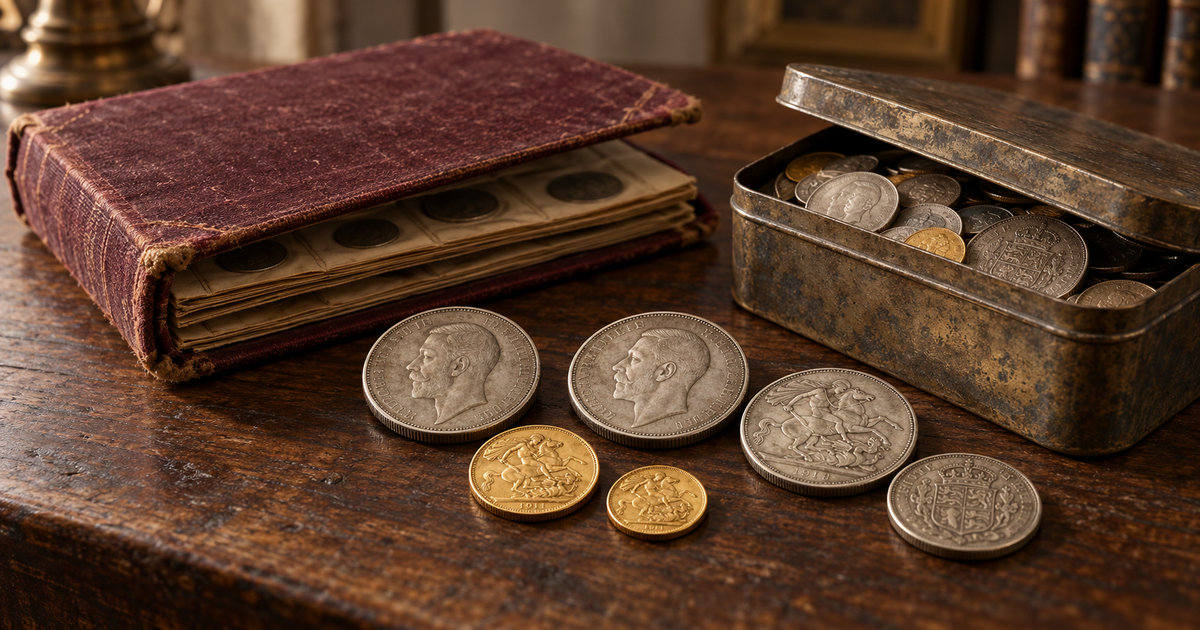
Perhaps it is a box in the loft, an album in a drawer or a cabinet of carefully labelled coins that someone spent years building. Whatever it is, you now own a coin collection, you probably know very little about it, and you are grieving. The last thing you need is pressure to make quick decisions.
This guide is a calm, practical route through it. Take your time, protect what you have, and make sure that when you do sell, it is on your terms and for a fair value.
The golden rules for the first week
- Do nothing in a hurry. A coin collection does not spoil. There is no deadline apart from any set by the estate.
- Keep the collection together. Do not split it up or sell the best pieces first. Collections can be worth more complete, and partial sales make it harder to value what remains.
- Do not clean the coins. It is the most common mistake. Cleaning scratches them and can remove much of their value. See should you clean old coins.
- Store it safely. Somewhere dry and secure, away from damp. If it is valuable, check the home insurance.
- Look for paperwork. Receipts, auction invoices, notes, catalogues and certificates can tell you a lot about what each item is and what was paid.
Make a simple record
Make a list, or take photographs, of what is there. For each coin, note the type, date and metal if you can. Photograph boxes, capsules and certificates too. You do not need to be an expert. A rough list helps with valuation, with probate and with any later decisions.
What is usually worth the most
- Gold coins: sovereigns, half sovereigns, Britannias, Krugerrands and others. They have significant metal value.
- Silver coins and proof sets: Royal Mint gold and silver proof sets in their original boxes with certificates.
- Graded coins: coins in sealed PCGS or NGC holders.
- Scarce coins: older, low-mintage or unusual pieces that a collector would specifically want.
Cupro-nickel and copper coins and most circulating coins are usually worth much less, often face value. Start by finding the gold and silver, which is where most of the value tends to be. Our guide to how to value a coin collection explains how.
Probate, tax and the estate
If the coins are part of an estate, you may need a written valuation as at the date of death. This is used for probate and for Inheritance Tax purposes where it applies. Tell the dealer at the start so they can provide it in the right form. Selling the coins is a separate step that can come later.
When coins are sold after an inheritance, Capital Gains Tax is generally worked out from the value at the date of death rather than what the collector paid. Some coins, such as British legal tender gold coins, are generally exempt anyway. The rules change, so check gov.uk or speak to an accountant or the estate's solicitor. Our gold coin tax guide covers the basics.
Be wary of quick offers
Unfortunately, bereaved families are sometimes targeted by buyers who quote a price without seeing anything, or who push for a decision the same day. Watch out for these signs:
- A price offered without any proper look at what you have.
- Pressure to decide today.
- A buyer who will not explain how they reached the figure.
- An offer for "the lot" with no breakdown of gold, silver and the rest.
A reputable dealer will explain their valuation, give you time and not mind you getting another opinion.
Large or valuable collections
For larger collections, you do not have to post or carry anything. We can arrange a home visit and insured courier collection. See our estates and probate page, or call free on 0800 978 8542.
Frequently asked questions
Should I get everything valued before selling any of it?
Yes. Know what you have first. It keeps your options open and avoids selling the best coins for too little.
What if I do not know anything about coins?
You do not need to. Photos and a short list are enough for a first valuation.
What should I do with the albums and boxes?
Keep them. Original packaging, certificates and albums can add to the value and help identify items.
Can I sell part of the collection and keep some?
Of course. Some families keep a few coins for sentimental reasons. Have it all valued first so you know what each part is worth.
Where to start
Request a free valuation with no obligation, and we reply within 24 hours. You will get a clear explanation, with no pressure. When you are ready to think about selling, our guide to where to sell old coins compares the options.