

Gold Coins vs Gold Bars: Which Is the Better Investment in the UK?

Investing in gold has long been a favored strategy for wealth preservation and growth, particularly in uncertain economic climates. This article delves into the comparison between gold coins and gold bars, two popular forms of gold investment in the UK. Readers will learn about the key differences, tax implications, and secure buying practices for both investment types. As many investors seek to diversify their portfolios, understanding the nuances of gold coins versus gold bars is essential for making informed decisions. This guide will explore the purity and weight differences, liquidity, market demand, and the benefits of expert valuation, providing a comprehensive overview for potential investors.
What Are the Key Differences Between Gold Coins and Gold Bars for UK Investors?
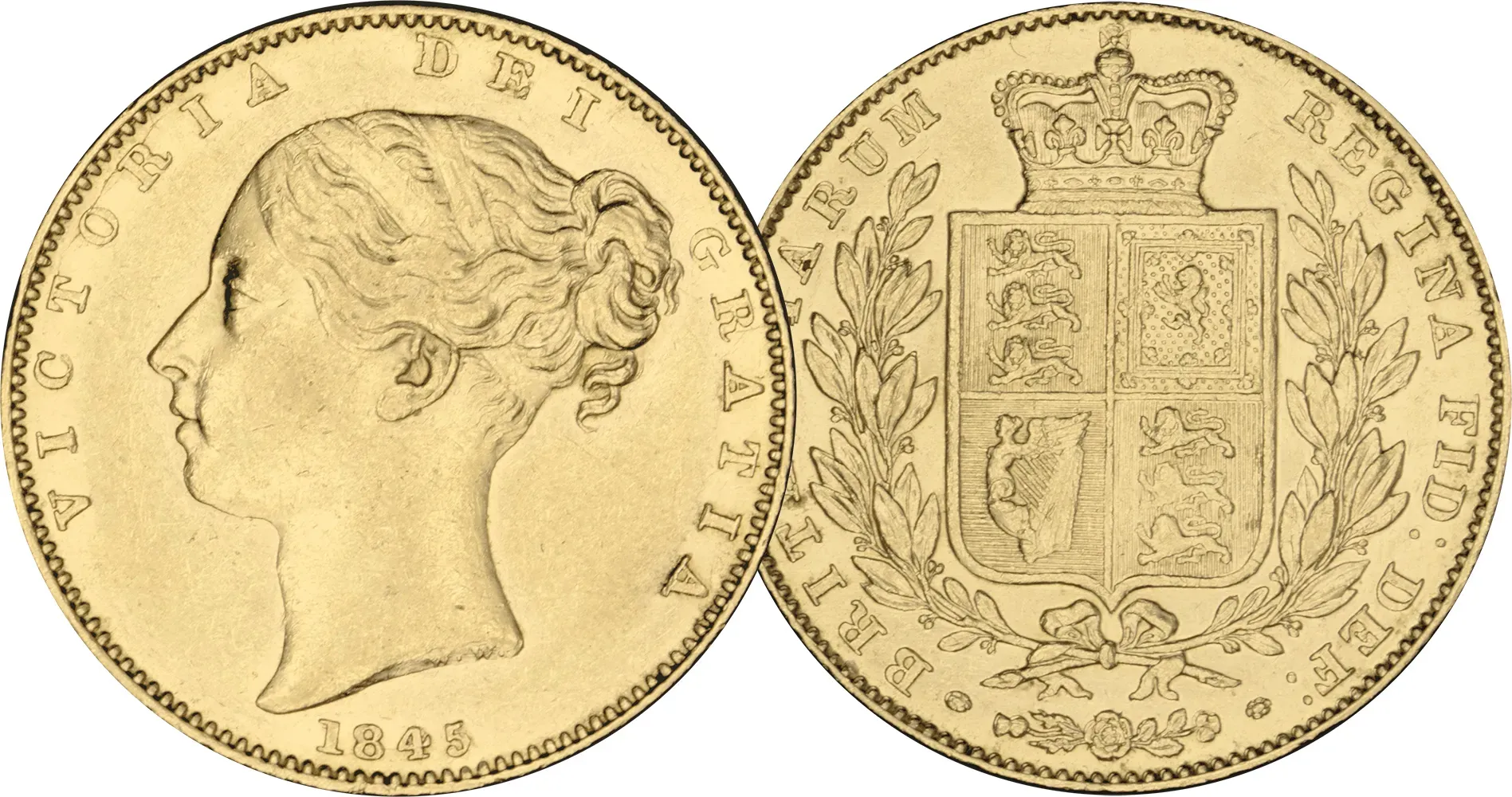
When considering gold as an investment, understanding the differences between gold coins and gold bars is crucial. Gold coins, often minted by governments, typically carry a face value and are recognized as legal tender. In contrast, gold bars are produced by private mints and are valued primarily based on their weight and purity. This distinction affects their liquidity, market demand, and potential for capital gains.
| Type | Purity | Weight | Market Demand |
|---|---|---|---|
| Gold Coins | 22K (91.67% pure) for Sovereigns | Varies (e.g., 7.98g for Sovereigns) | High due to collectibility |
| Gold Bars | 24K (99.99% pure) | Varies (e.g., 1 oz, 10 oz, etc.) | High for investment purposes |
The purity and weight of gold coins and bars significantly influence their investment value. For instance, British Gold Sovereigns and Gold Britannias are popular coin choices due to their historical significance and tax advantages. Understanding these factors can help investors make informed decisions about which form of gold to purchase.
How Do Purity and Weight Affect Gold Coins and Bars?
Purity and weight are critical factors that determine the value of gold coins and bars. Gold coins, such as the British Gold Sovereign, typically have a purity of 22 karats, while gold bars are often 24 karats, making them 99.99% pure. This difference in purity can affect market pricing, as higher purity generally commands a premium.
Indeed, the intrinsic value of gold bullion is fundamentally tied to its physical characteristics, necessitating careful consideration of both its composition and secure handling.
Gold Bullion Purity, Storage & Security
is based on its weight and purity, which means that it is a simple asset to value. Consider the storage and security requirements for physical gold bullion, and choose a reputable
Gold Bullion: An Investment Avenue
Additionally, the weight of the gold item plays a significant role in its valuation. For example, a one-ounce gold bar will be valued based on its weight and purity, while a coin's value may also include its numismatic appeal. Collectors often seek coins with historical significance, which can drive up their prices beyond the intrinsic value of the gold itself.
What Are the Liquidity and Market Demand Differences?
Liquidity refers to how easily an asset can be bought or sold in the market without affecting its price. Gold coins tend to have higher liquidity due to their recognition and demand among collectors and investors alike. Legal tender coins, like the British Gold Sovereign, are often sought after for their historical value, making them easier to sell.
In contrast, gold bars, while still highly liquid, may require more effort to sell, especially if they are not from a well-known mint. Market demand for gold bars is typically driven by investors looking for a straightforward investment in gold, while coins attract both investors and collectors. Understanding these dynamics can help investors choose the right form of gold for their needs.
What Are the Capital Gains Tax Implications for Gold Investments in the UK?
Investors in gold should be aware of the capital gains tax (CGT) implications associated with their investments. In the UK, gold coins that qualify as legal tender, such as British Gold Sovereigns and Gold Britannias, are exempt from CGT. This exemption can significantly enhance the investment appeal of these coins compared to gold bars, which do not enjoy the same tax benefits.
Which Gold Coins Qualify for CGT Exemption in the UK?
The following gold coins are exempt from capital gains tax in the UK:
- British Gold Sovereigns: These coins are widely recognized and valued for their historical significance.
- Gold Britannias: These coins are known for their high purity and are also considered legal tender.
- Other Legal Tender Coins: Various other coins may qualify, but it is essential to verify their status.
Investors should ensure they are aware of the specific coins that qualify for CGT exemption to maximize their investment returns.
How Can Investors Buy and Sell Gold Coins and Bars Securely in the UK?

When it comes to buying and selling gold, security is paramount. Investors should consider the following practices to ensure safe transactions:
- Use Reputable Dealers: Always purchase from established dealers with a solid reputation in the market.
- Verify Authenticity: Ensure that the gold coins or bars come with proper certification of authenticity.
- Secure Transactions: Utilize secure payment methods and consider using escrow services for high-value transactions.
By following these guidelines, investors can minimize risks associated with buying and selling gold.
What Are the Benefits of Expert Valuation and Authentication?
Expert valuation and authentication of gold investments provide several advantages. First, accurate valuations ensure that investors are aware of the true market value of their assets, which is crucial for making informed buying or selling decisions. Second, professional appraisals can help in establishing provenance, which is particularly important for collectible coins.
Exclusive Coins Limited specializes in expert valuations and offers a trusted platform for trading collectible gold coins. Their services can provide investors with peace of mind, knowing that their investments are accurately assessed and authenticated.
What Are the Advantages and Risks of Investing in Gold Coins Compared to Gold Bars?
Investing in gold coins and bars each comes with its own set of advantages and risks.
Advantages of Gold Coins:
- Collectibility: Many coins have historical significance, which can enhance their value.
- Tax Benefits: Legal tender coins are exempt from capital gains tax in the UK.
- Higher Liquidity: Coins are often easier to sell due to their recognition and demand.
Risks of Gold Coins:
- Market Volatility: Prices can fluctuate based on collector interest and market trends.
- Condition Sensitivity: The value of collectible coins can be affected by their condition and grading.
Advantages of Gold Bars:
- Higher Purity: Gold bars typically have a higher purity level, making them a straightforward investment.
- Lower Premiums: Bars often have lower premiums over the spot price compared to coins.
Risks of Gold Bars:
- Less Collectible Value: Bars may not have the same historical or collectible appeal as coins.
- Potentially Lower Liquidity: Selling bars may require more effort compared to coins.
Understanding these factors can help investors make informed decisions based on their investment goals and risk tolerance.