

What Are PCGS and NGC Graded Gold Coins? UK Collector's Guide

PCGS and NGC graded gold coins represent a significant aspect of numismatics, particularly for collectors in the UK. These coins are evaluated and certified by professional grading services, ensuring their authenticity and quality. This guide will delve into the grading systems used by these organizations, their importance for collectors, and how to navigate the market for these valuable assets. Many collectors face challenges in verifying the quality and value of their coins, but understanding the "grading process" can provide clarity and confidence in their investments. We will explore the grading systems, the significance of certification, and the benefits of investing in graded gold coins.
Grading Systems
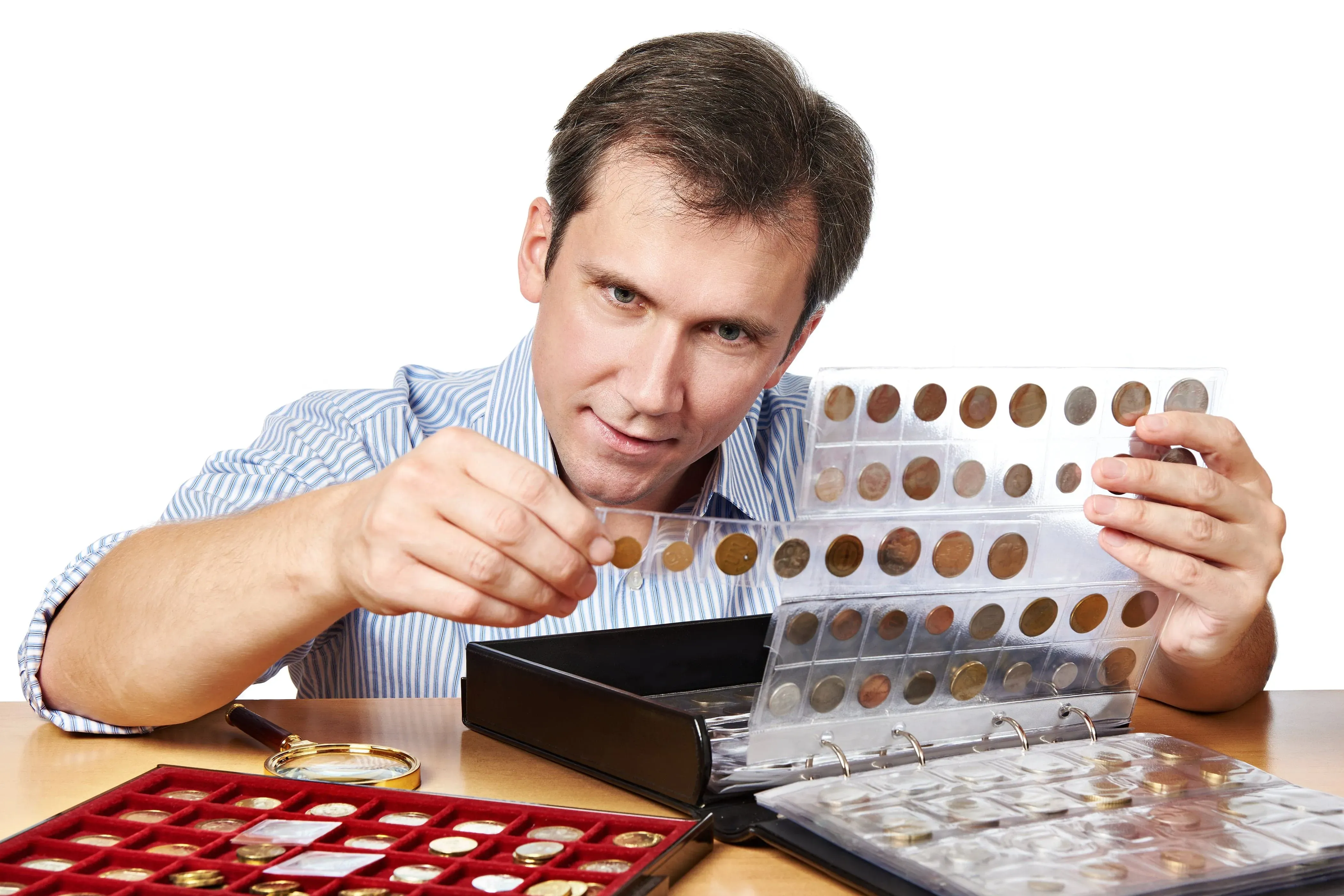
The grading systems employed by PCGS (Professional Coin Grading Service) and NGC (Numismatic Guaranty Corporation) are essential for determining the quality and value of gold coins. These systems utilize the Sheldon Scale, which ranges from 1 to 70, with higher numbers indicating better quality. Coins are categorized into various grades, such as "Mint State" for uncirculated coins and "Circulated" for those that have been used. The impact of grading on market value is profound, as higher grades typically command higher prices in the marketplace.
Significance for UK Collectors
Graded coins hold particular significance for collectors in the UK for several reasons. Firstly, they provide assurance of authenticity, which is crucial in a market where counterfeit coins can be prevalent. Secondly, graded coins enhance market confidence, as buyers are more likely to invest in coins that have been professionally evaluated. Lastly, the investment value of graded coins is often higher due to their verified condition and rarity, making them a wise choice for collectors looking to build a valuable portfolio.
Research further supports the notion that certified coins are a robust component of investment and wealth preservation strategies.
Certified Coins for Investment & Wealth Preservation
appreciation was observed for certified coins, which, due to a natural component of hedging strategies and wealth preservation. Certified coins proved to be the most effective segment,
Returns on investments in historical coins as an alternative form of capital allocation: a comparative analysis with traditional asset classes (2000-2024), B Chorkowy, 2000
Exclusive Coins Limited, a UK-based specialist dealer, focuses on collectible and precious metal coins, including those graded by PCGS and NGC. Their expertise in facilitating the buying and selling of these coins ensures that collectors receive trusted valuations and guidance.
Certified Coin Investment and Authentication Process
Investing in certified coins involves a systematic process that includes valuation, grading, and market insights. The steps typically include:
- Valuation Process: Understanding the market value of a coin based on its grade and rarity.
- Grading Process: Submitting coins to PCGS or NGC for professional grading.
- Market Insights: Keeping abreast of market trends to make informed buying or selling decisions.
This structured approach helps collectors navigate the complexities of the coin market effectively.
What Is Coin Grading and Why Are PCGS and NGC Certifications Important?
Coin grading is the process of evaluating a coin's condition and assigning it a grade based on established criteria. PCGS and NGC certifications are vital because they provide a standardized assessment that collectors and investors can trust. These certifications enhance the perceived value of coins, as they assure buyers of the coin's quality and authenticity. Trust in these grading services is crucial for maintaining market integrity and ensuring fair transactions.
How Do PCGS and NGC Define Gold Coin Grades?
PCGS and NGC define gold coin grades using the Sheldon Scale, which categorizes coins from "Poor" (1) to "Perfect" (70). For example, a coin graded as "MS-70" is considered flawless, while a "VF-20" indicates significant wear. The specific criteria for each grade include factors such as surface quality, luster, and the presence of marks or blemishes. Understanding these definitions helps collectors assess the value and desirability of their coins.
Specifically, the Professional Coin Grading Service (PCGS) has developed comprehensive standards for evaluating Mint State coins.
PCGS Grading Standards for Mint State Coins
employed by the Professional Coin Grading Service (PCGS) and 're comparing books which consist of only grading standards, is the best for the grading of Mint State coins.
NCI grading guide: A step-by-step approach to the grading of uncirculated and proof coins, 1986
What Are the Benefits of Coin Grading Certification for UK Collectors?
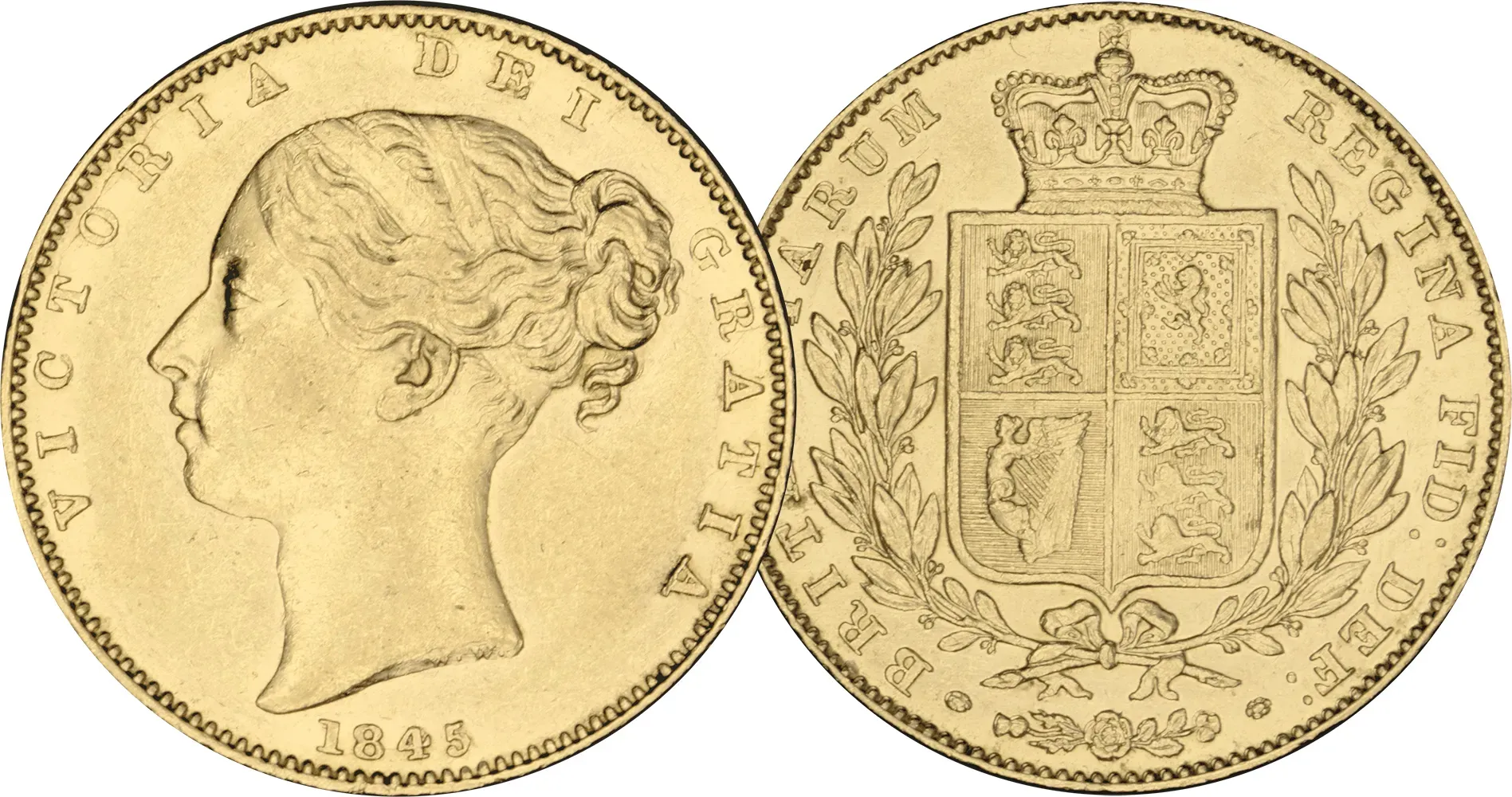
The benefits of grading certification for UK collectors are manifold:
- Value Preservation: Graded coins maintain their value better over time compared to ungraded coins.
- Marketability: Certified coins are easier to sell, as buyers prefer coins with established grades.
- Authenticity Assurance: Grading provides a guarantee that the coin is genuine, reducing the risk of counterfeits.
These advantages make graded coins a preferred choice for serious collectors.
How Can UK Collectors Buy and Verify PCGS and NGC Graded Gold Coins?
UK collectors can buy and verify PCGS and NGC graded gold coins through several avenues:
- Reputable Dealers: Purchase from established dealers like Exclusive Coins Limited, who specialize in graded coins.
- Online Auctions: Participate in online auctions that feature certified coins, ensuring to check the grading details.
- Coin Shows: Attend coin shows where certified coins are displayed, allowing for direct inspection and purchase.
Verification involves checking the certification number on the coin's holder against the grading service's database to confirm its authenticity.
What Are the Valuation and Investment Advantages of PCGS and NGC Graded Gold Coins?
Graded gold coins offer distinct valuation and investment advantages:
| Attribute | Description | Value |
|---|---|---|
| Market Acceptance | Graded coins are widely accepted in the market, enhancing liquidity. | High |
| Rarity and Historical Significance | Many graded coins are rare and have historical importance, increasing their value. | High |
| Impact of Grading on Value | Higher grades lead to higher market prices, making grading crucial for investment. | Significant |
This table illustrates how grading influences the overall value and desirability of gold coins, making them a strategic investment choice.
How Does Grading Affect Gold Coin Market Value?
Grading significantly affects the market value of gold coins. Coins that receive higher grades are often sold at premium prices, reflecting their superior condition. Factors such as rarity, demand, and historical significance also play a role in determining market value. Collectors should be aware that the condition of a coin can dramatically influence its resale potential, making grading an essential consideration in the buying process.
What Are Current UK Market Trends for Certified Gold Coins?
Current trends in the UK market for certified gold coins indicate a growing interest among collectors and investors. Factors contributing to this trend include:
- Increased Demand: More collectors are seeking certified coins for their portfolios.
- Market Security: The assurance of authenticity and quality provided by grading services enhances buyer confidence.
- Investment Growth: As gold prices fluctuate, graded coins are viewed as a stable investment option.
These trends suggest a robust market for certified gold coins, making it an opportune time for collectors to engage.
What Are Common Grading Terms and How Do They Impact UK Collectors?
Understanding common grading terms is crucial for UK collectors. Some key terms include:
- Mint State (MS): Indicates a coin that has never been circulated and is in perfect condition.
- Very Fine (VF): A coin that shows moderate wear but retains most of its details.
- Proof (PR): A coin struck with a special process to create a high-quality finish.
These terms impact collectors by influencing their purchasing decisions and the perceived value of their coins.
How Do PCGS and NGC Grading Standards Differ?
PCGS and NGC have distinct grading standards that can affect how coins are evaluated. While both organizations use the Sheldon Scale, their criteria for assigning grades may vary slightly. For instance, PCGS may place more emphasis on luster, while NGC might focus on surface quality. Understanding these differences can help collectors make informed decisions when purchasing graded coins.
These subtle distinctions in grading criteria can lead to collectors developing preferences for one service over the other for specific types of coins.
NGC & PCGS Gold Coin Grading Preferences
For example, they may prefer NGC for "tighter" grading of gold coins and PCGS for "tighter"
Rare coin grading: A case of market-based regulation, 2014